
To-Do Lists & Daily Productivity: Systems That Calm Your Mind
Who doesn't want to be more productive? We all want better ways to organize our thoughts and tasks. We want more quality time for ourselves, our family, and our...

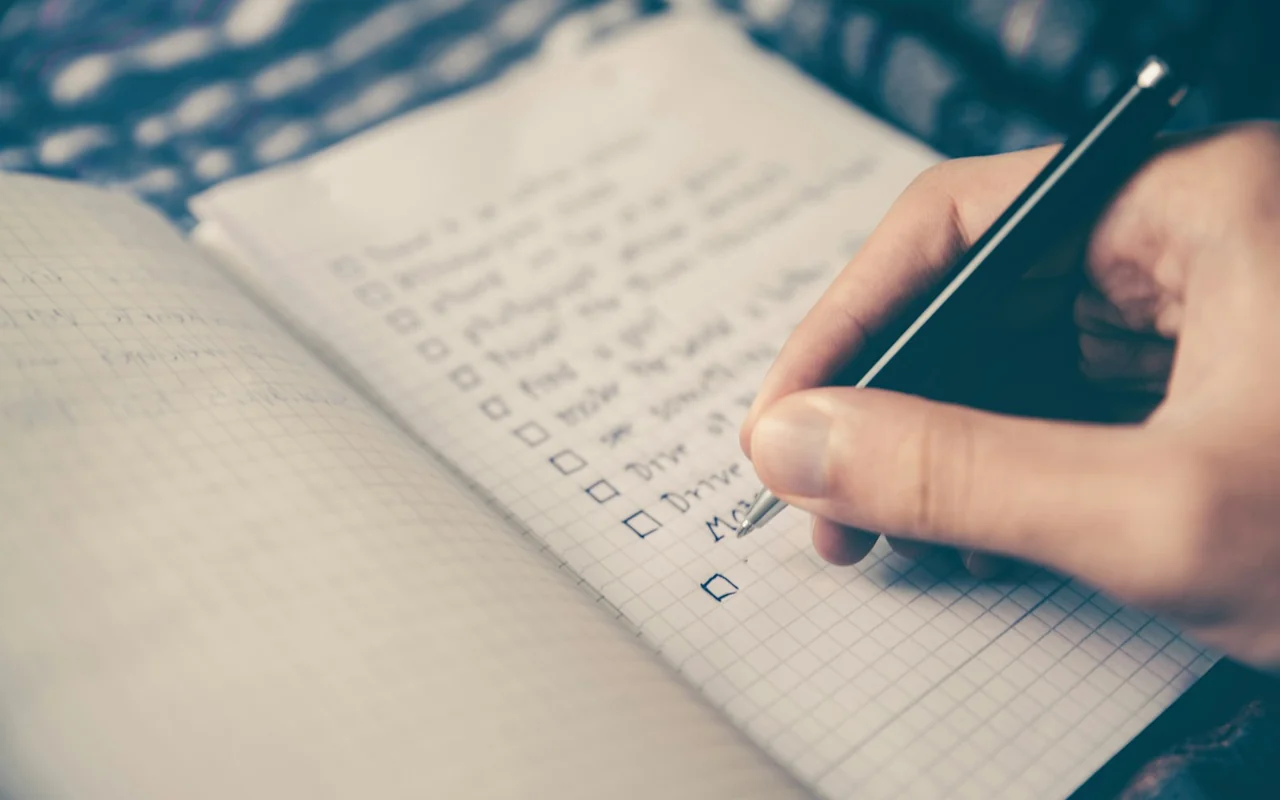
Table of Contents
Who doesn't want to be more productive? We all want better ways to organize our thoughts and tasks. We want more quality time for ourselves, our family, and our friends. And above all, we want to stop second-guessing ourselves in the middle of the day: "Did I lock the front door?", "Did I turn off the stove before leaving?"
Years ago, someone gave me a piece of advice I didn't fully grasp at first: "You should start trusting a pencil more than your own mind."
I brushed it off back then. I kept trying to hold every single commitment inside my head. Early on, that worked fine: when your responsibilities are few, juggling everything mentally feels like a breeze. But as life moves forward, projects multiply and obligations pile up. That was when I was introduced to anxiety and stress—two heavy companions that refused to leave my side.
Only then did the wisdom of the pencil hit home.
As Darren Hardy put it: "A goal that is not in writing is mere fantasy." If you truly want to hit your targets, grab a sheet of paper, pick up a pencil, and write down what needs to get done.
It is never about lacking intelligence. Your brain burns an enormous amount of energy processing constant stimuli: social media feeds, breaking news, and endless daily notifications. You need to unload that mental weight so your energy can flow back into what truly matters.
What Is Productivity, Really?
To me, productivity means using your available resources and tools to achieve goals effectively and efficiently, in the best possible timeframe. Research in Nature Human Behaviour supports offloading open tasks to free working memory. It isn't about frantically doing more things; it's about steadily upgrading the quality of your work as your skills grow.
Every goal should act as a spark of motivation that you conquer step by step through well-defined tasks.
What Is a Goal vs. What Is a Task?
It pays not to mix them up:
- A goal is the destination you are aiming at over the short or medium term. For instance: finishing your thesis, doing a deep clean of your bedroom, or booking a beach getaway.
- A task is the concrete step where you actually invest your time and focus so that the goal becomes real.
Writing down "keep my room clean" as a goal accomplishes nothing if it stays sitting on a page. You need to break it down into real actions: make the bed, dust off surfaces, organize drawers, and sweep the floor.
Keep each task anchored to its specific goal. Mixing unrelated tasks—like putting "clean the kitchen" inside "finish my university thesis"—only creates friction and mental clutter.
So, What Is the Real Value of Productivity?
Most of us have great ideas we’d love to bring to life. The breakdown happens when we don't map out a plan or clear our thoughts: we get overwhelmed and abandon things halfway through.
Your mind operates just like an overloaded truck: you have to unload the cargo of thoughts so the vehicle can roll forward smoothly. That download process delivers instant psychological relief.
Golden rule: tackle one task at a time. Attempting to juggle everything at once is the quickest path to burnout and sloppy results. If a task is beyond your bandwidth or doesn't require your direct hands, delegate it. If you can't delegate, finish it before you jump to the next one.
The Pomodoro Technique: Your Best Ally
All you need is a basic timer—on your phone, your watch, or your computer:
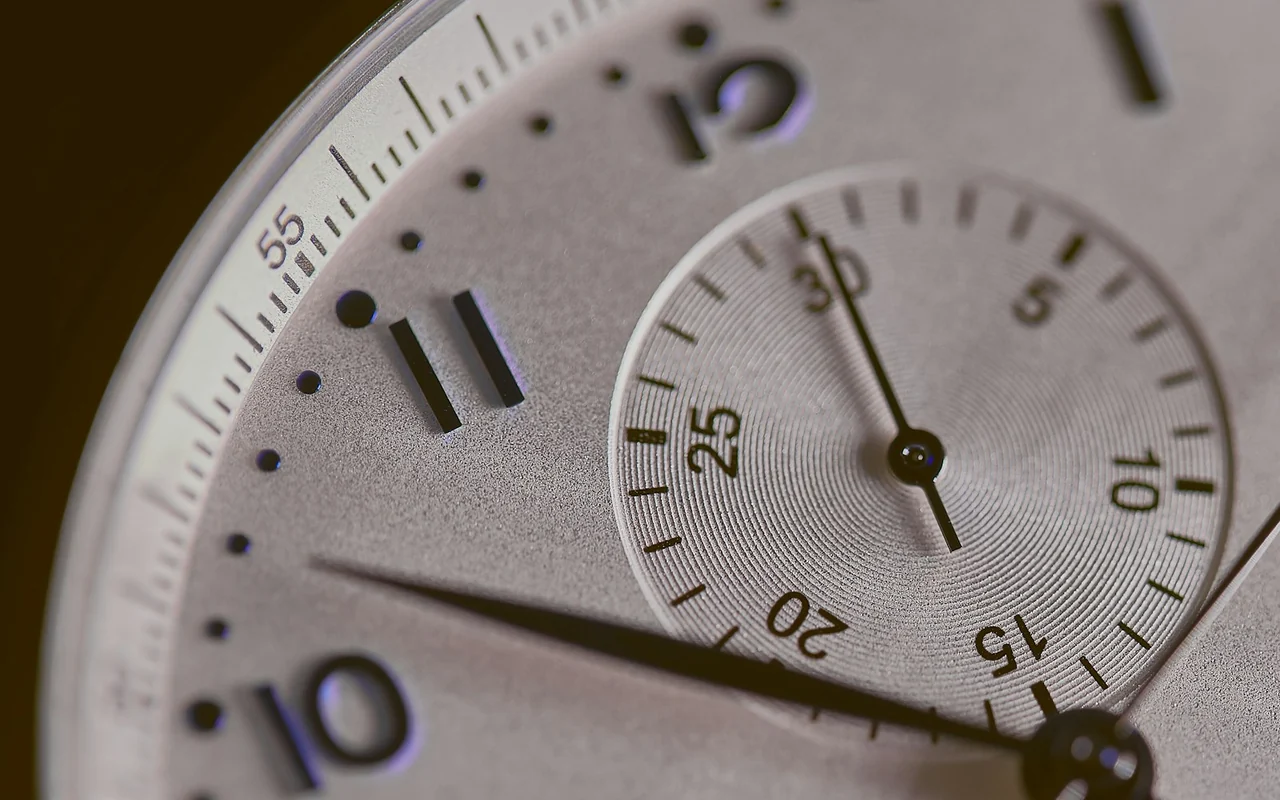
- Work with deep focus for 25 minutes on a single task (no checking chats, no scrolling).
- Take a quick 5-minute break.
- After completing 4 Pomodoro blocks, take a longer break (15 to 20 minutes).
This method is especially effective when mastering a new skill or auditing how long tasks actually take.
Pair it with David Allen's two-minute rule from Getting Things Done: if a task takes less than two minutes, do it right now. Don't write it down, don't schedule it; get it off your plate immediately.
The Timeless Power of To-Do Lists
Making lists is an ancient practice, yet it remains the most reliable personal management tool in existence.
Remember when your mom sent you to the grocery store? If you left without a list, you'd forget half the groceries. You'd come back with an incomplete bag and a bag of chips and a soda you bought with the leftover change "for your hard work".
To build a list that actually gets results, follow these 4 simple steps:
- Use a single notebook: Write down your pending tasks cleanly.
- Give yourself only 3 minutes. This strict time limit forces your brain to capture what's critical and filter out the noise.
- Keep each task to a single line. Keep descriptions direct and concise.
- Group them by goal or theme. As you make progress, cross items off and add only what is truly essential.
If you prefer digital tools, free apps like Google Keep (great for capturing sudden ideas on the fly) or Google Tasks (ideal for daily checkboxes) work wonders. But when building the initial habit, nothing beats the tactile satisfaction of crossing off a completed task with a pencil on physical paper.
Don't beat yourself up if you don't check off every box in a single day. We all have good days and bad days. Reassessing targets and rescheduling dates isn't failure—it's smart pacing to prevent burnout.

Connect with Your Unconscious: Walk to Clear Your Head
Stoic philosophers took daily walks to unpack complex dilemmas. In Buddhist traditions, mindful walking has long been prescribed as medicine to calm a turbulent mind.
Walking doesn't just relieve stress: it sparks neurogenesis in the hippocampus, lowers mental fatigue, and unlocks creative problem-solving.
Whenever your to-do list starts feeling suffocating, silence your phone, step outside for a 15-minute walk, and just be present. Take in your surroundings. Let your unconscious mind untie the knots while you breathe fresh air.
The Journey Starts Today
Productivity isn't something you buy off a shelf, and it won't show up overnight. It is built on small daily habits that lift mental fatigue and give you back control of your hours.
Time your focus, rely on simple lists, and give yourself permission to pause. Before you know it, your days will feel lighter and your mind will feel calm again.
Grab a notebook today, write down your next 3 tasks, and take that first step.
Sources
- Stanford Report on Workplace Productivity — Research on remote productivity and focus dynamics (news.stanford.edu).
- Harvard Business Review Research & Insights — Organizational psychology and cognitive efficiency analysis (hbr.org).
- National Bureau of Economic Research (NBER) — Working paper on modern work schedules and output (nber.org).
- Nature Human Behaviour Research — Peer-reviewed behavioral science studies (nature.com).
Written by Félix Soler
Wellness & Psychology Editorial Team
Personaje editorial de El Optimista. Comparte pequeños hábitos diarios para superar el cansancio, organizarte mejor y vivir con calma.
Thematic editorial persona backed by our human curation team.